
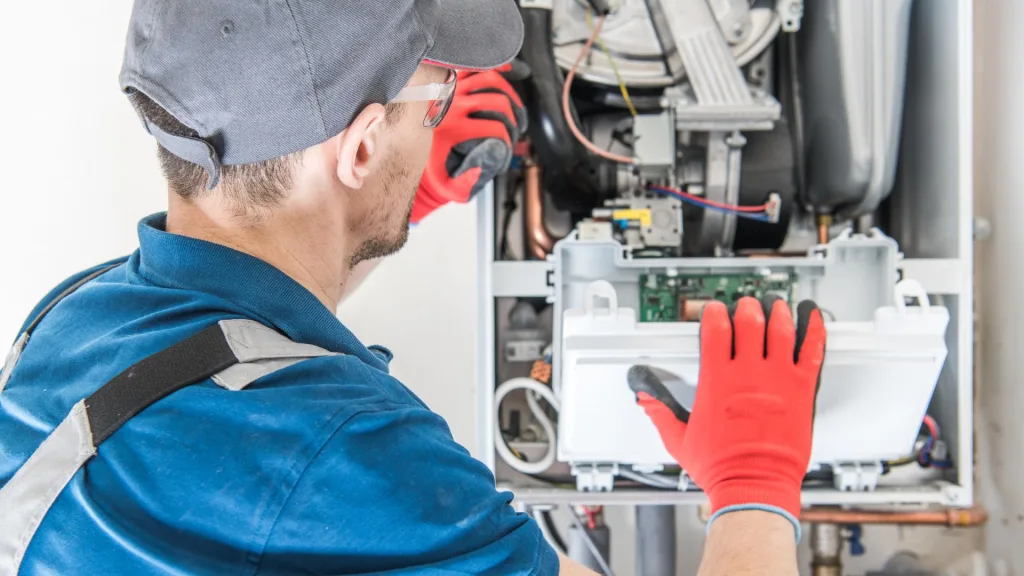
Quick answer: Most HVAC systems need professional maintenance twice per year, once before the cooling season and once before the heating season. This schedule helps keep the system efficient, reliable, and protected from preventable wear. Skipping or delaying maintenance allows small issues to grow quietly, leading to breakdowns, comfort problems, and shorter equipment life.
Why is HVAC maintenance recommended twice a year?
Heating and cooling systems work hardest during peak seasons. Before those high-demand periods begin, maintenance ensures the system is prepared to handle the workload without unnecessary strain.
Cooling maintenance focuses on airflow, heat transfer, electrical performance, and refrigerant balance. Heating maintenance checks heating components, safety controls, airflow, and electrical connections. Each season stresses different parts of the system, which is why one annual visit is usually not enough.
Can HVAC maintenance be done once a year instead?
In some situations, once-a-year maintenance may seem sufficient, especially if the system is newer or lightly used. However, this approach leaves long gaps where small problems can develop unnoticed.
Dust buildup, airflow restrictions, and electrical wear do not wait for annual inspections. By the time a yearly visit occurs, minor issues may already be creating strain. While once a year is better than none, it does not offer the same protection as twice-yearly maintenance.
What happens if HVAC maintenance is skipped for several years?
When maintenance is skipped for extended periods, the system slowly operates outside its ideal range. Filters clog, coils accumulate debris, electrical connections loosen, and moving parts experience added friction.
These issues rarely cause immediate failure. Instead, they force the system to work harder to achieve the same comfort. Over time, that added stress leads to overheating motors, failing capacitors, refrigerant imbalances, and premature component wear.
Does the age of the system affect maintenance frequency?
Yes. Older systems typically benefit even more from regular maintenance. As components age, tolerances tighten, and wear increases. Small imbalances that a newer system might tolerate can cause significant stress on older equipment.
Maintenance helps extend the usable life of aging systems by keeping operating conditions stable. It also allows technicians to identify parts that are nearing the end of their service life, giving homeowners time to plan instead of reacting to failure.
How does maintenance frequency affect system efficiency and comfort?
Efficiency declines quietly when maintenance is neglected. Dirty coils reduce heat transfer. Restricted airflow increases run times. Electrical components draw more power as resistance increases.
These same issues also affect comfort. Inconsistent airflow can create hot and cold spots, while poor system performance makes temperature and humidity harder to control. Regular maintenance restores efficiency and helps the system deliver steady, even comfort throughout the home.
Is seasonal HVAC maintenance different for heating and cooling?
Yes. Cooling maintenance focuses heavily on airflow, refrigerant balance, coil cleanliness, and electrical performance. Heating maintenance emphasizes safety checks, heat output, airflow, and control operation.
Because these systems perform different functions, they experience different types of wear. Seasonal maintenance ensures the right components are evaluated at the right time instead of relying on a one-size-fits-all approach.
Can homeowners handle some HVAC maintenance themselves?
Homeowners can handle a few basic tasks, such as replacing air filters regularly and keeping vents clear. These steps support airflow and reduce unnecessary strain.
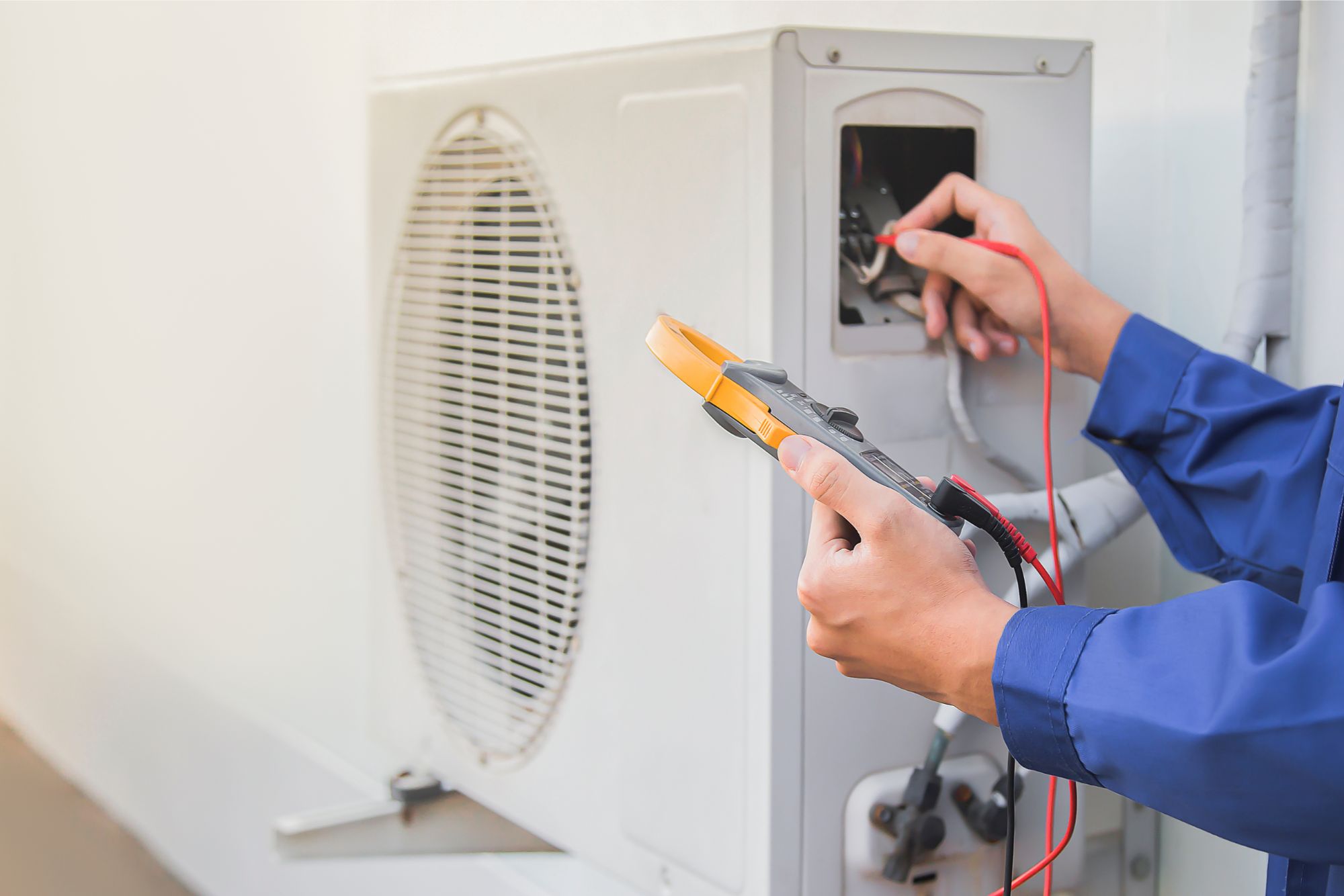
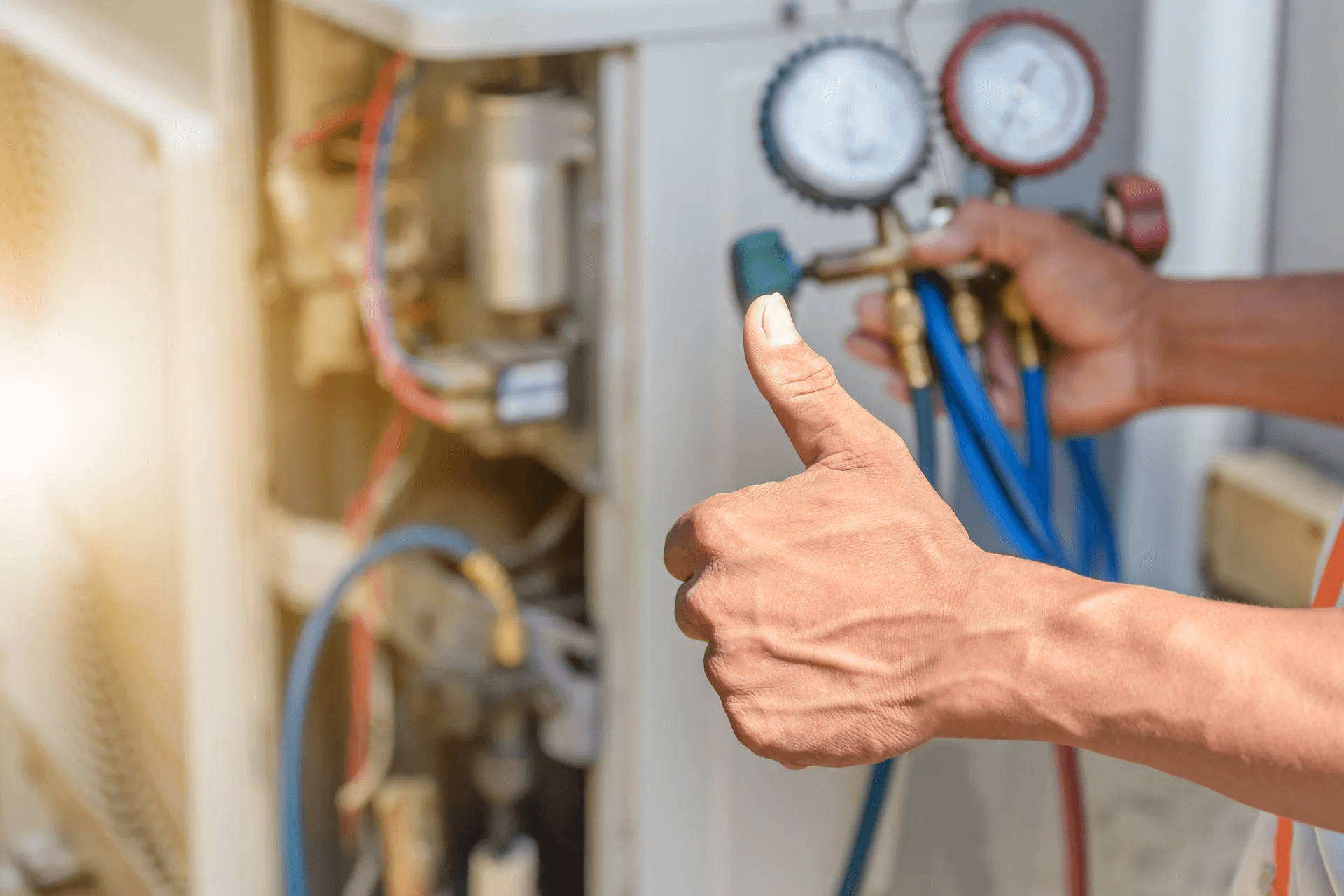
However, most critical maintenance tasks require professional tools and measurements. Electrical testing, refrigerant evaluation, airflow measurement, and internal cleaning are not homeowner tasks. Professional maintenance ensures nothing important is missed.
How does regular maintenance reduce unexpected breakdowns?
Breakdowns rarely happen without warning. Components show signs of decline before they fail. Capacitors weaken. Motors draw abnormal amperage. Airflow slowly decreases. Sensors drift out of range.
Maintenance identifies these warning signs early. Technicians can correct or stabilize issues before they cause system shutdowns. This proactive approach turns emergency repairs into planned service and improves reliability during peak seasons.
Is HVAC maintenance still necessary if the system seems fine?
This is one of the most common misconceptions. HVAC systems can appear fine while internal wear continues unnoticed. Many failures occur shortly after long periods without maintenance because problems were building quietly.
Maintenance is most valuable when the system seems normal. That is when small adjustments have the biggest impact on long-term performance and equipment life.
How do I know if my HVAC maintenance schedule is right?
A good HVAC maintenance schedule keeps the system stable through peak seasons, maintains consistent comfort, and avoids surprise failures. If the system struggles during extreme temperatures or shows declining performance, the schedule may not be sufficient.
For most homes, twice-yearly professional maintenance combined with regular filter changes provides the most reliable protection.
Final word: how often does HVAC maintenance really need to be done?
The best way to keep your HVAC system running reliably is to stay ahead of problems instead of reacting to them. Scheduling HVAC maintenance twice per year helps maintain consistent performance, dependable comfort, and a longer system lifespan.
Talk to a team that maintains, measures, and protects your comfort
If you’re looking for an HVAC partner who shows up on time, takes real measurements, and explains your options clearly, contact Elite Heating and Air Conditioning to schedule your HVAC maintenance.
