
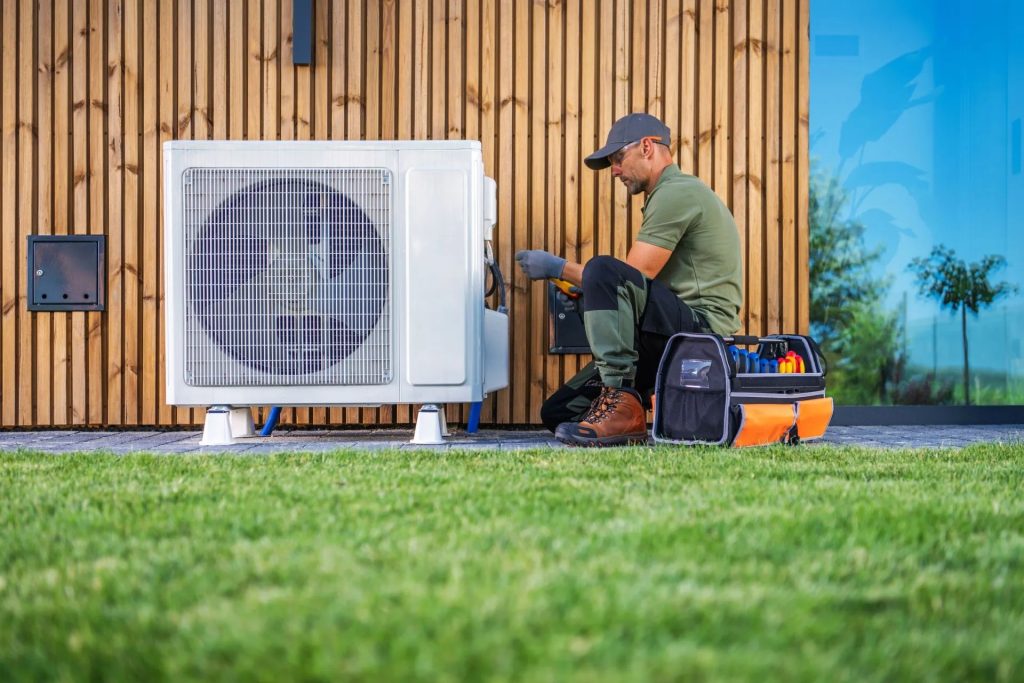
Quick answer: Skipping HVAC maintenance lets small mechanical issues grow until they cause major breakdowns. Without routine tune-ups, airflow drops, components overheat, electrical parts weaken, refrigerant levels drift, and coils clog. These problems build up, forcing your system to work harder and fail sooner. Regular HVAC maintenance prevents surprise breakdowns, restores efficiency, and protects the life of your equipment.
Why does skipping HVAC maintenance cause expensive repairs?
Small problems do not stay small inside an HVAC system. When dust collects on coils or airflow becomes restricted, efficiency drops, and components work harder than intended.
Stress builds. Over time, motors overheat, compressors wear out, and electrical parts weaken. What could have been a simple cleaning or minor adjustment becomes an expensive repair. Routine maintenance catches these issues early, so you never end up paying for preventable failures.
How can I tell if my HVAC system is struggling because of a lack of maintenance?
Your system will often send early warning signs. If you notice longer run times, uneven temperatures, reduced airflow, or higher utility bills, these are common indicators. Unusual sounds, hot and cold spots, and short cycling signal deeper issues as well. T
These symptoms may seem small, but they reveal internal problems that grow when maintenance is skipped.
What hidden issues does routine HVAC maintenance actually prevent?
Routine maintenance prevents a long list of hidden issues that slowly damage your system. The most common problems prevented include:
- Dirty coils that reduce heating and cooling performance
- Clogged filters that restrict airflow and strain the blower
- Loose electrical connections that cause overheating
- Low or drifting refrigerant levels that damage the compressor
- Dry or unlubricated moving parts that create friction and wear
These problems usually start small, but they grow quickly when left unaddressed. Maintenance catches them early before they turn into expensive repairs.
Does maintenance really improve performance and efficiency?
Yes. Efficiency is one of the first things to drop when maintenance is ignored. Dirty coils, weak capacitors, airflow restrictions, and clogged filters force the system to use more energy to hit the same temperature. A well-maintained system runs smoothly, cycles less often, and stays closer to the manufacturer’s performance.
Can skipping HVAC tune-ups shorten the life of the system?
Absolutely. Every mechanical component has a lifespan. When the equipment works under stress for long periods, its lifespan shortens.
A dirty or neglected system may run at higher temperatures, higher pressures, or longer cycle times than intended. These conditions accelerate wear. A system that receives consistent care lasts much longer because it is not fighting against preventable problems.
What repair problems are most often linked to neglect?
Several major HVAC failures can be traced directly to skipped maintenance. The most common include:
- Motor failures caused by overheating and restricted ventilation
- Compressor breakdowns triggered by low refrigerant or dirty coils
- Coil damage from dirt, debris, or untreated corrosion
- Electrical part failures from loose connections or worn components
- Airflow blockages that lead to frozen coils or poor temperature control
Each of these repairs is far more expensive than routine maintenance, which prevents them in the first place.
How does maintenance help me avoid sudden breakdowns?
Maintenance avoids breakdowns by catching issues early. During a tune-up, a technician looks for:
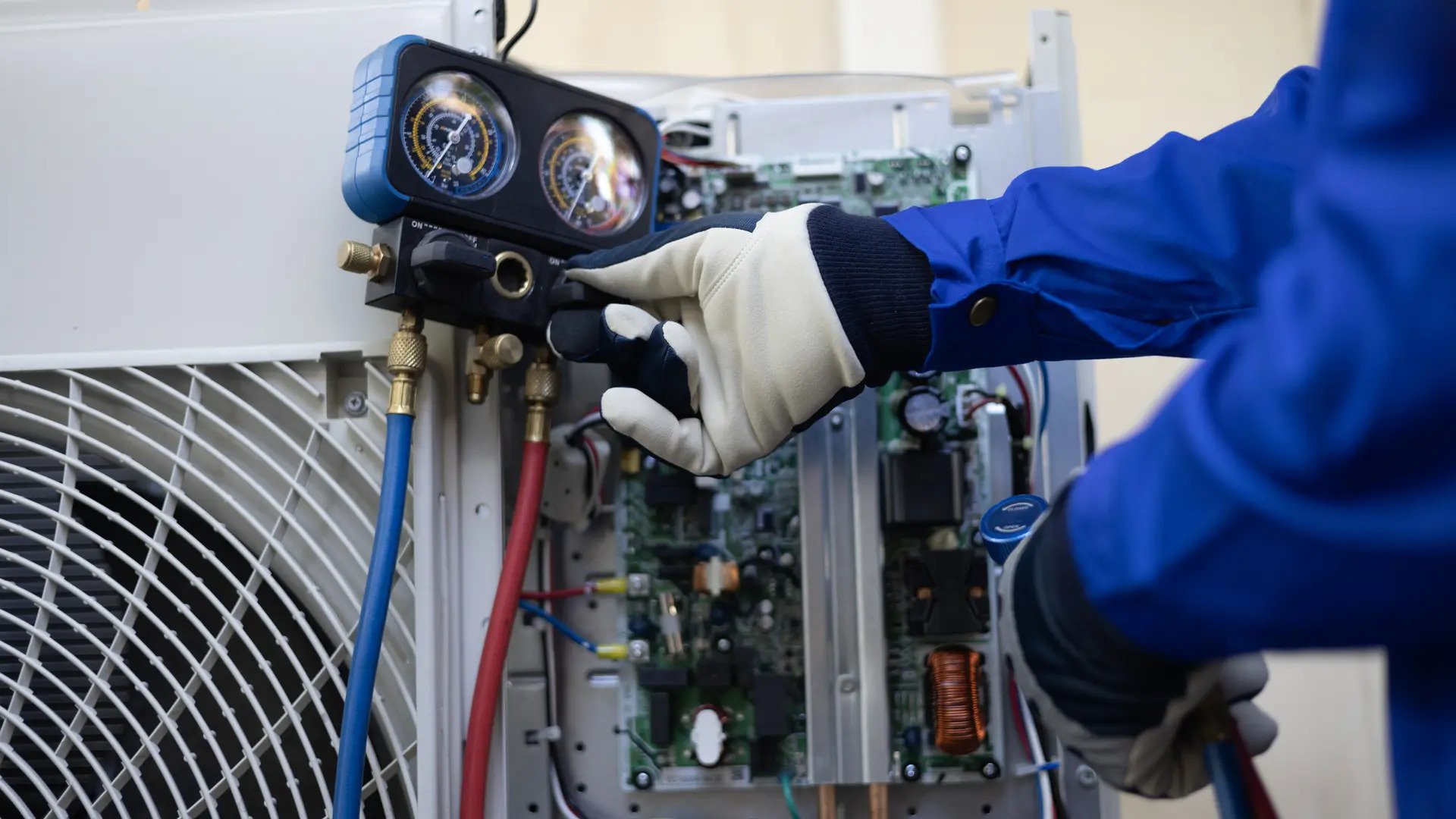
- Abnormal electrical readings, such as high amp draw or weak capacitors
- Pressure changes that signal a refrigerant imbalance
- Poor or declining airflow that stresses the system
- Early signs of worn motors, belts, or sensors
- Dirt buildup that affects coils and heat exchange
When these issues are corrected early, the system stays stable and reliable, even during peak seasons.
Does poor maintenance impact comfort and indoor air quality?
Yes. Comfort and indoor air quality both suffer when HVAC systems are not maintained. Dust buildup causes musty smells, reduces airflow, and spreads particulates through the home.
Dirty coils struggle to cool or heat effectively. Weak airflow creates hot and cold spots. Humidity becomes harder to control. A clean, well-tuned system supports healthier air and steadier comfort.
Is professional maintenance worth it if my system seems fine?
Yes. A system can appear fine on the surface while internal components are slowly declining. Many problems begin quietly. A capacitor may weaken. Refrigerant may slip slightly out of balance. Coils may accumulate debris that slowly reduces performance.
These early issues rarely show immediate symptoms, but they shorten equipment life and lead to costly repairs later. Professional tune-ups protect you from the hidden wear homeowners do not see.
What is the simplest maintenance plan to avoid expensive repairs?
The simplest plan is consistency. Replace filters regularly, keep vents open, and schedule professional HVAC maintenance twice a year.
These visits allow a trained technician to measure airflow, verify electrical performance, check refrigerant pressure, clean coils, lubricate moving parts, and tighten every connection. These steps keep the system healthy and prevent the most common causes of breakdowns.
Final word: how do I prevent breakdowns and avoid surprise repair bills?
The best way to avoid expensive HVAC repairs is to stay ahead of problems instead of reacting to them. Routine maintenance gives you predictable performance, reliable comfort, and a longer equipment life.
Talk to a team that maintains, measures, and protects your comfort
If you want an HVAC partner who shows up on time, evaluates your system with real measurements, and explains every recommendation clearly, contact Elite Heating and Air to schedule your HVAC maintenance.
