

Quick answer: most homes should schedule HVAC maintenance twice a year — once in spring for cooling and once in fall for heating. A professional will inspect, clean, test, and calibrate key components so your system runs safely, efficiently, and reliably. Skipping service often leads to higher energy use, surprise breakdowns, and even warranty headaches.
In the article below, we go into detail about why HVAC maintenance is important and what you can expect during a visit.
What does routine HVAC maintenance actually include?
A proper tune-up is far more than a quick look and a filter swap. A trained technician will typically:
- Check refrigerant charge and look for leaks
- Clean indoor and outdoor coils and clear debris
- Inspect blower wheel, fan blades, and motors
- Test capacitors, contactors, relays, and safety switches
- Tighten electrical connections and measure voltage/amp draw
- Verify exhaust and combustion safety on heating equipment
- Clean condensate drain and test the pump (if present)
- Lubricate moving parts where applicable
- Calibrate the thermostat and confirm communication with the system
- Measure temperature split, static pressure, and airflow to ensure the system is within spec
That list may flex based on your specific equipment, but the goal is to restore designed performance and catch small issues before they become big ones.
Why does biannual HVAC service matter so much?
Because dust, vibration, heat, cold, and moisture chip degrade performance. Coils get dirty and insulate themselves, motors lose lubrication, and electrical parts wear. Regular care reverses that drift. The result is steadier temperatures, fewer emergency calls, and equipment that doesn’t have to work overtime to do the same job.
When is the best time to book HVAC maintenance?
Aim for spring (before heavy cooling demand) and fall (before heating season). You’ll beat the peak-season rush, have the most appointment flexibility, and give the system a tune-up before it’s asked to work its hardest.
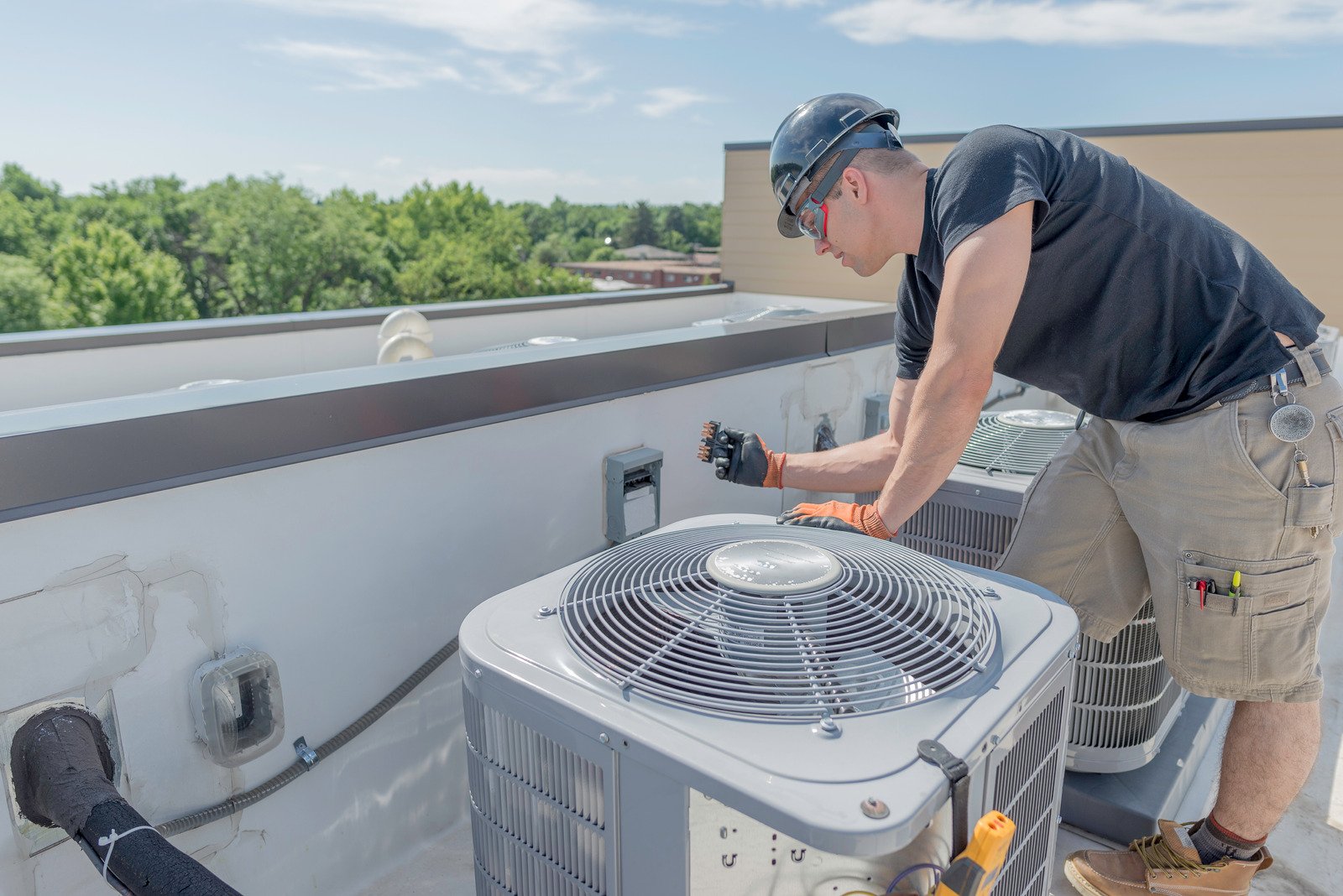
How do you know if your system needs service sooner?
Call sooner if you notice any of these clues:
- Rooms never reach the set temperature or temperatures swing wildly
- Weak airflow from vents or unusual drafts
- Short cycling (turns on/off frequently)
- Odd noises like buzzing, rattling, squealing, or thumping
- Musty or burning odors, or visible dust “puff” from vents
- Spikes in energy use that can’t be explained
Does HVAC maintenance really lower energy bills?
Yes. Dirty coils, low refrigerant, loose electrical connections, and incorrect airflow all force the system to run longer to deliver the same comfort. When a technician cleans, tightens, recharges, and rebalances the system, it uses less electricity or fuel to hit your setpoint.
Will skipping maintenance affect my equipment warranty?
In many cases, yes. Manufacturer warranties often require documented and regular maintenance. If something fails and the unit shows signs of neglect, coverage can be denied. Keeping a service history protects you and your warranty.
How long does a professional HVAC tune-up take?
Plan on 60–90 minutes per system. Larger homes, multi-stage equipment, heat pumps with auxiliary heat, or systems that haven’t been serviced in a while may take longer. If issues are found and repaired on the spot, add time for the fix and a final performance check.
Can you handle any HVAC maintenance yourself?
There are safe tasks you can do:
- Replace or clean air filters on schedule
- Keep 2–3 feet of open space around the outdoor unit (clear leaves, brush, or snow)
- Make sure supply and return vents aren’t blocked by rugs or furniture
- Gently clean vent grilles and the thermostat face
Leave electrical testing, refrigerant work, coil cleaning, gas/combustion checks, and airflow measurement to a pro. Those require tools and training for both safety and accuracy.
How do you choose the right contractor for maintenance?
Look for a team that:
- Explains their tune-up checklist up front
- Uses professional diagnostic tools
- Provides written findings after the visit
- Offers honest recommendations without pressure
- Stands behind repairs with a real guarantee
- Respects your home with clean drop cloths and tidy workmanship
A trustworthy contractor focuses on your comfort and safety.
What should you expect during a technician’s visit?
A great visit feels structured and transparent:
- Intro & goals – The tech asks about comfort problems, noises, or hot/cold spots.
- Full inspection – Panels come off, readings are taken, parts are cleaned and tested.
- Findings & fixes – The tech reviews results in plain language and suggests options.
- Performance test – Final checks confirm the system is operating to spec.
- Written summary – You receive notes on work performed and any future watch-items.
You should never be left guessing what was done or why it mattered.
Do heat pumps and traditional AC/furnace combos follow the same schedule?
They share the same biannual rhythm, with one nuance:
- Heat pumps provide both heating and cooling, so they run more months of the year. That extra workload makes spring and fall visits even more valuable.
- AC + furnace combos benefit from a spring cooling visit and a fall heating visit to tune each half of the system right before it’s needed.
Ductless mini-splits and variable-speed equipment follow the same logic.
How often should you replace the air filter?
It depends on the filter type and your home:
- Basic 1-inch filters: every 30–60 days
- 2–4-inch pleated filters: every 60–90 days
- 5-inch media filters: every 90–180 days (sometimes longer)
If you have pets, allergies, smoke, recent construction, or a large household, check more frequently. A quick visual check each month is an easy habit.
Can a smart thermostat make maintenance easier?
Yes. Smart controls can:
- Remind you when to change filters based on runtime
- Flag abnormal runtimes
- Track temperature swings and short cycling
Smart alerts don’t replace professional service, but they help you intervene sooner and keep a clean record of system behavior.
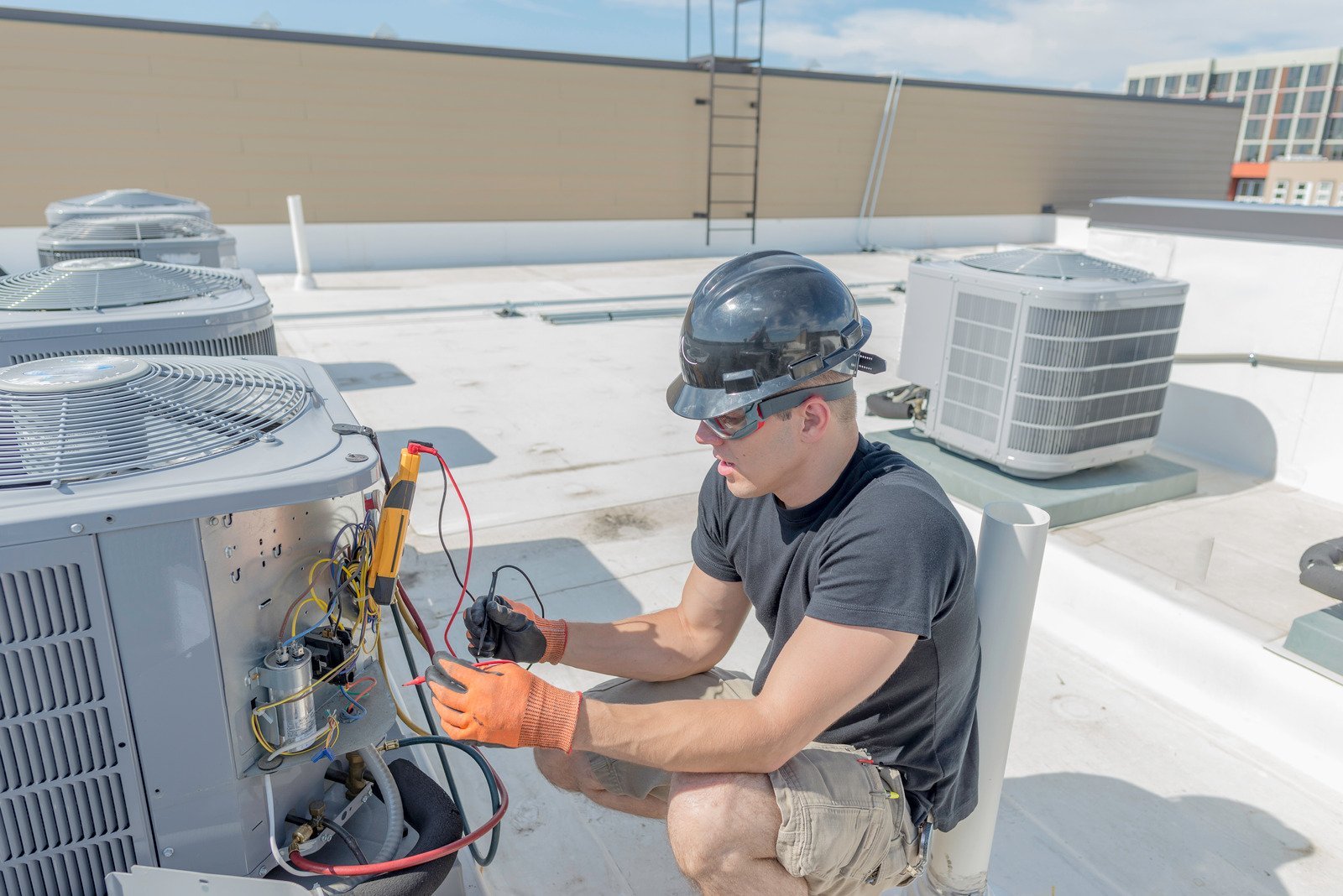
How long should an HVAC system last with regular care?
Average lifespans vary by type and usage:
- Central air conditioners: 12–15 years
- Gas furnaces: 15–20 years
- Heat pumps: 12–15 years
- Ductless mini-splits: 12–20 years
Maintenance doesn’t stop the clock, but it keeps the system closer to “like new” performance for longer and helps you avoid premature replacement.
How can you prepare for a maintenance appointment?
A few small steps help:
- Clear a path to the indoor unit, thermostat, and electrical panel
- Unlock gates to the outdoor unit and trim back plants if needed
- Note any unusual noises, smells, or comfort issues to share with the tech
- Confine pets
- Have previous service notes handy
That’s it! Your technician will handle the rest.
Are maintenance plans worth it?
For most homes, yes. Plans typically bundle biannual visits, preferred scheduling, and discounts on parts or labor. The bigger value is consistency because the same team sees your equipment regularly and builds a service history. Over time, that continuity pays for itself in avoided breakdowns and lower energy use.
Can maintenance improve indoor air quality?
Absolutely. A clean system filters better, circulates air evenly, and avoids moisture in ducts and drain pans. Your contractor can also recommend upgraded filtration, humidity control, or purification add-ons.
What if your system is older? Should you still maintain it?
Yes, and here’s why. An older system that’s maintained will usually outperform a neglected twin of the same age. Maintenance also gives you realistic data so you can decide if continued repairs make sense or if it’s time to plan a replacement.
What’s the simplest habit to keep your HVAC healthy between visits?
Change the filter on time. That single habit protects airflow, reduces strain on motors and compressors, helps keep coils cleaner, and improves indoor air. Pair that with clear space around the outdoor unit and you’ve already done two of the biggest things a homeowner can do.
What if you’re not sure when your system was last serviced?
Start fresh. Book a comprehensive tune-up and make that date your new baseline. Ask your technician to note filter type and ideal replacement cadence, then set reminders for your next spring/fall visits.
Ready to give your HVAC the care it deserves?
If you want fewer breakdowns, steadier comfort, and lower energy use, biannual maintenance is the simplest path forward. Contact Elite Heating & Air to schedule your next tune-up.
