
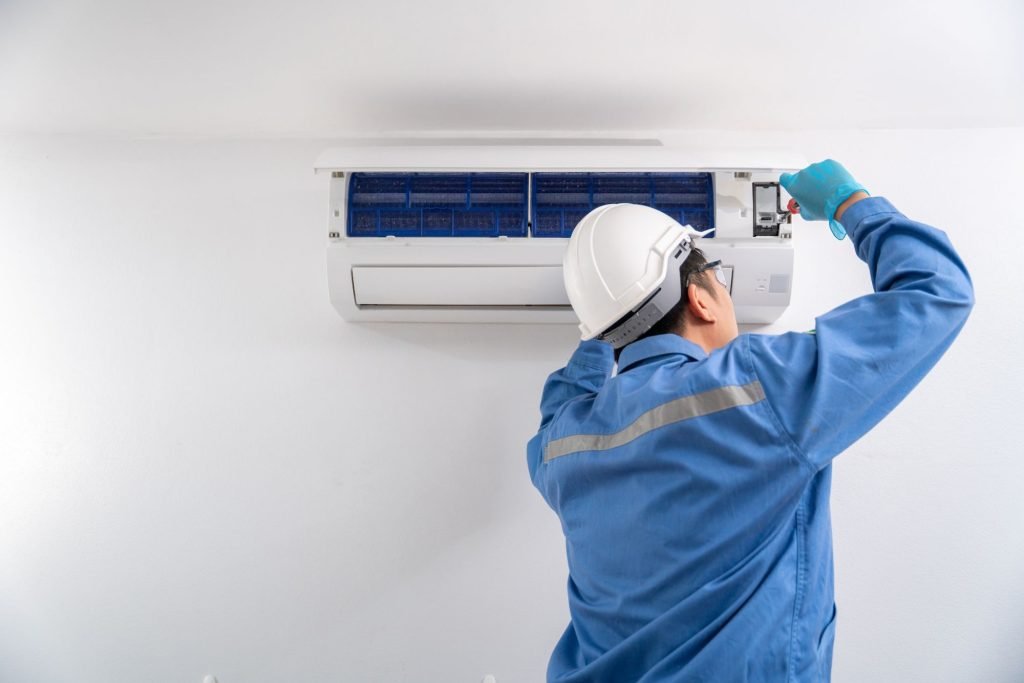
Short answer: Plan two professional tune-ups per year, including cooling in the spring and heating in the fall. That cadence keeps efficiency high, catches small problems early, protects warranties, and helps your system last longer.
Why does twice-yearly HVAC service matter more than you think?
Every season loads your equipment with dust, moisture, temperature swings, and electrical stress. Bearings dry out. Coils clog. Safety controls drift out of calibration. A twice-yearly visit resets all of that. Your tech restores airflow and refrigerant balance, verifies combustion safety (for gas heat), tests electrical components under load, and dials in settings so the system doesn’t have to overwork. The result is steadier temperatures, quieter operation, and lower energy use, all while reducing the odds of a mid-season breakdown.
What factors could change the “twice a year” rule of thumb?
Think of two services per year as the baseline. Bump the cadence sooner if any of these apply:
- You have pets that shed or you notice dust quickly accumulating indoors
- Someone in the home has allergies, asthma, or other respiratory sensitivities.
- Your system runs many hours a day due to extreme weather or work-from-home schedules.
- You live in a home with ongoing renovations, new drywall dust, or frequent guests.
- Your equipment is older, oversized/undersized, or has a history of repairs.
Conversely, newer systems in exceptionally clean homes might stay happy on the standard schedule, so long as filters are changed on time and airflow stays healthy.
What does professional HVAC maintenance actually include?
A good tune-up is far more than “a quick look.” While details vary by system type and brand, a thorough visit typically covers three buckets: clean, test, and optimize.
For cooling (AC or heat pump in cooling mode)
The tech cleans or replaces the filter, inspects the blower wheel, measures static pressure to verify duct health, washes the outdoor coil fins, checks condensate drain operation, verifies refrigerant charge via subcool/superheat, tests capacitors, contactors, and fan motors, confirms thermostat calibration, and ensures safe, tidy electrical connections.
For heating (gas furnace or heat pump in heating mode)
They inspect the heat exchanger, burners, flame sensor, draft/inducer performance, and venting, verify gas pressure (for fuel systems), test safety switches and ignition, check defrost strategy on heat pumps, confirm combustion air, and re-check airflow and temperature rise so the unit doesn’t overheat.
Across both seasons
Your tech documents readings, notes wear patterns, and flags anything that’s borderline so you can decide whether to fix it now or monitor it.
How can I tell it’s time to schedule HVAC service sooner?
Watch for telltales like rooms that never quite reach the set temperature, weak airflow, short cycling, musty or burning smells, new rattles or buzzing, ice on the refrigerant lines, or sudden energy-bill spikes. These aren’t “normal.” They signal airflow blockages, refrigerant imbalance, failing capacitors, dirty coils, or safety issues that a tune-up can catch and correct before parts fail.
What can I safely do myself between professional tune-ups?
Plenty, even without getting in over your head. Replace or clean your filter on schedule (monthly for basic filters, every 2–3 months for pleated, per manufacturer guidelines). Keep supply and return vents open and unblocked. Gently rinse the outdoor coil with a garden hose from the inside out. Clear leaves and debris at least two feet around the outdoor unit. Listen for new noises after storms and jot down anything odd so you can tell your technician. Leave internal cleaning, electrical tests, and refrigerant work to the pros.
Does maintenance really lower energy bills?
Yes, and in two ways. First, restored airflow and clean heat-exchange surfaces reduce the work required to move heat. Second, tuned components operate closer to design specs, which prevents the “death by a thousand inefficiencies” that creep in over time. The savings vary, but homeowners frequently see steadier runtimes and more comfortable setpoints at lower fan speeds are both signs the system is breathing easier.
How does maintenance extend equipment life?
Heat and vibration are the enemies of mechanical systems. When bearings sit dry, motors run hot. When coils are dirty, compressors stay in high stress. When electrical components run out of spec, amperage climbs. Maintenance interrupts that domino chain. Lubrication, cleaning, and electrical verification keep temperatures and stresses in check, so parts don’t age prematurely. Over a decade or more, those little resets add up to years of extra service.
Can skipping maintenance void a warranty?
Many manufacturer warranties require “regular maintenance by a qualified professional” and proof of service if you file a claim. While each brand’s language differs, if neglect caused the failure, coverage can be denied. Keep your service records. They protect your investment and help your technician spot trends in readings year over year.
What should I expect during a professional HVAC tune-up visit?
Expect a methodical process and clear communication. The visit usually starts with questions about recent noises, comfort issues, or humidity concerns. Then the tech measures baseline readings, performs cleaning and adjustments, and re-tests to confirm improvement. A good technician will show you before/after readings, explain what they changed, suggest optional fixes if something is marginal, and leave you with simple tips tailored to your home.
How long does an HVAC tune-up take?
Most visits take about an hour per system per season and a bit longer if the outdoor coil needs extra cleaning, the condensate line is clogged, or access is tight. Thorough work takes time, especially for measurements like static pressure, temperature rise, and electrical testing under load. Rushing maintenance defeats its purpose.
Is maintenance different for heat pumps?
Heat pumps serve double duty, so they benefit even more from regular checks. In addition to the standard cooling-mode items, your technician verifies cold-weather performance, defrost operation, crankcase heating, and auxiliary heat integration. Because heat pumps run in both seasons, filter discipline and clean coils matter enormously.
What about indoor air quality? Can maintenance help with that too?
Absolutely. Clean filters, sealed ducts, and correct airflow are the foundation of healthier air. During maintenance, your tech can measure pressure imbalances that pull dusty or unconditioned air into the system, inspect for biological growth in drain pans, and recommend right-sized filtration or purification (e.g., higher-MERV filters compatible with your blower, or add-on purification if allergies are severe). Think of maintenance as the checkup that keeps IAQ solutions working as designed.
Are “tune-up specials” worth it, or should I look for a maintenance plan?
Intro specials can be a good way to meet a contractor, but a well-structured maintenance plan delivers better continuity. Plans typically include two visits per year, reminders, priority scheduling, and member discounts on repairs. The consistency helps your tech spot changes over time—like a capacitor value slowly drifting or static pressure creeping up so you can intervene early.
When is the best time of year to schedule maintenance?
Aim for spring before heavy cooling and fall before heating season. Shoulder months offer more scheduling flexibility, and you’ll avoid tuning a system after it has already struggled through the first heat wave or cold snap. If you’ve already missed the “perfect” window, don’t wait because earlier is better than not at all.
What questions should I ask before booking maintenance with a contractor?
Ask what their tune-up includes, not just how long it takes. Clarify whether they measure static pressure, verify temperature rise, test electrical components under load, and clean coils (not just “visual checks”). Ask about documentation, warranties on repairs, parts sourcing, and whether they provide photos or readings after the visit. Clear answers signal a process you can trust.
What myths about HVAC service should I ignore?
A few common ones: “If it’s running, it’s fine.” (Systems can run while wasting energy or stressing components.) “Closing vents saves money.” (It often increases static pressure and hurts efficiency.) “Bigger filters are always better.” (Not if your blower can’t handle the added resistance.) “You can set it and forget it.” (Filters, drains, and coils say otherwise.) Reality beats folklore every time. Lean on measured readings and professional guidance.
How do I prepare my home for a smooth tune-up visit?
Clear a path to equipment, thermostats, and supply/return grilles. Note any odd smells, sounds, or rooms that lag so you can show the tech. If you have pets, secure them for the visit. If you’ve noticed water near the indoor unit or ice on outdoor lines, snap a quick photo before it melts because it helps with diagnosis. Small prep steps save time and help your tech focus on the right details.
What happens if I skip maintenance for a year (or three)?
Nothing dramatic might happen immediately. Then, everything happens at once. Dirt loads multiply, safety sensors get cranky, motors draw more current, coils ice, and drains clog. The first symptom could be as mild as a comfort complaint or as serious as a compressor failure. Catch-up maintenance is possible, but it’s more expensive than keeping up and it can’t undo all the wear that neglect accelerated.

How do filter choices affect maintenance needs?
Filters are your first line of defense. Low-end flat filters protect equipment from big debris but don’t do much for air quality. High-MERV pleated filters grab smaller particles but add resistance the blower must overcome. The right choice balances filtration with airflow, and that “right” depends on your blower’s capacity and duct design. Your technician can measure static pressure to help you pick a filter that cleans the air without starving the system.
Will smart thermostats or zoning reduce how often I need service?
Smart controls and zoning improve comfort and can trim energy use, but they don’t replace cleaning, lubrication, electrical testing, and safety checks. In fact, advanced controls make proper setup and verification even more important. Maintenance ensures your smart gear is actually delivering the efficiency its app promises.
What should a great HVAC maintenance report include?
Look for recorded values, including filter condition, static pressure, temperature split/temperature rise, capacitor microfarads, motor amperage, refrigerant measurements (subcool/superheat), gas pressure (if applicable), safety switch tests, and notes on coil/condensate condition. Numbers matter because they tell a story from visit to visit and prove the work wasn’t just a quick dust-off.
Ready to schedule your next tune-up?
If you’re serious about efficient comfort, clean air, and fewer surprises, put professional maintenance on the calendar now. Reach out to Elite Heating & Air — Your COMFORT CONCIERGE — for clear communication, meticulous tune-ups, and repairs backed by a solid guarantee. Read more about our heating and cooling services, or contact us today to book your service and keep your system running at its best, season after season.
