
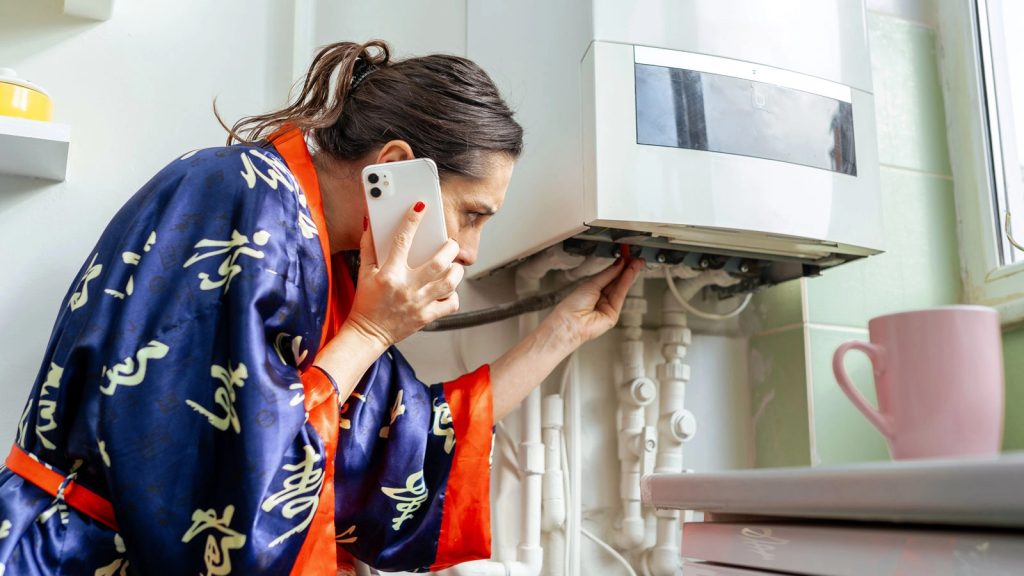
Quick answer: Most HVAC systems fail early because they were never properly measured or verified. The right contractor performs a true load calculation before installation, confirms airflow and refrigerant charge with documented readings, tests electrical components under load, commissions the system after setup, and maintains it with performance-based inspections rather than surface-level tune-ups.
Why do some HVAC systems fail years before they should?
Most heating and cooling systems are designed to last well over a decade. When a system fails much earlier than expected, the cause is rarely random. In many cases, it can be traced back to installation shortcuts, incorrect sizing, restricted airflow, or inconsistent maintenance.
Small performance issues often begin quietly and build over time. A system that is slightly oversized or operating with improper airflow may still run, but it does so under added strain. That strain gradually reduces efficiency and increases wear on critical components.
The lifespan of your HVAC system is shaped long before a major repair is ever needed.
Is improper installation really that big of a problem?
Installation quality directly affects long-term reliability. Even high-quality equipment cannot compensate for a rushed setup or incomplete verification.
If refrigerant levels are not adjusted correctly, airflow is not measured, or electrical components are not secured properly, the system operates outside its intended range. Those imbalances increase internal stress and reduce overall efficiency.
When installation includes measurement and performance verification, the system operates as designed rather than compensating for hidden issues.
Homeowners exploring system replacement can review what a complete HVAC installation process should include.
How does incorrect system sizing shorten equipment life?
System size influences how frequently and how long your equipment runs. When a unit is too large, it tends to cool or heat quickly and shut off before completing a full cycle. This frequent starting and stopping increases wear on motors and compressors while reducing the effectiveness of humidity control.
Improper sizing affects durability and efficiency. If a system is too small, it may run almost constantly to maintain a stable temperature. Continuous operation places stress on components and may still leave rooms uncomfortable.
A proper load calculation ensures the system matches the home’s actual heating and cooling needs, supporting balanced cycles and a longer service life.
Can poor airflow damage a system over time?
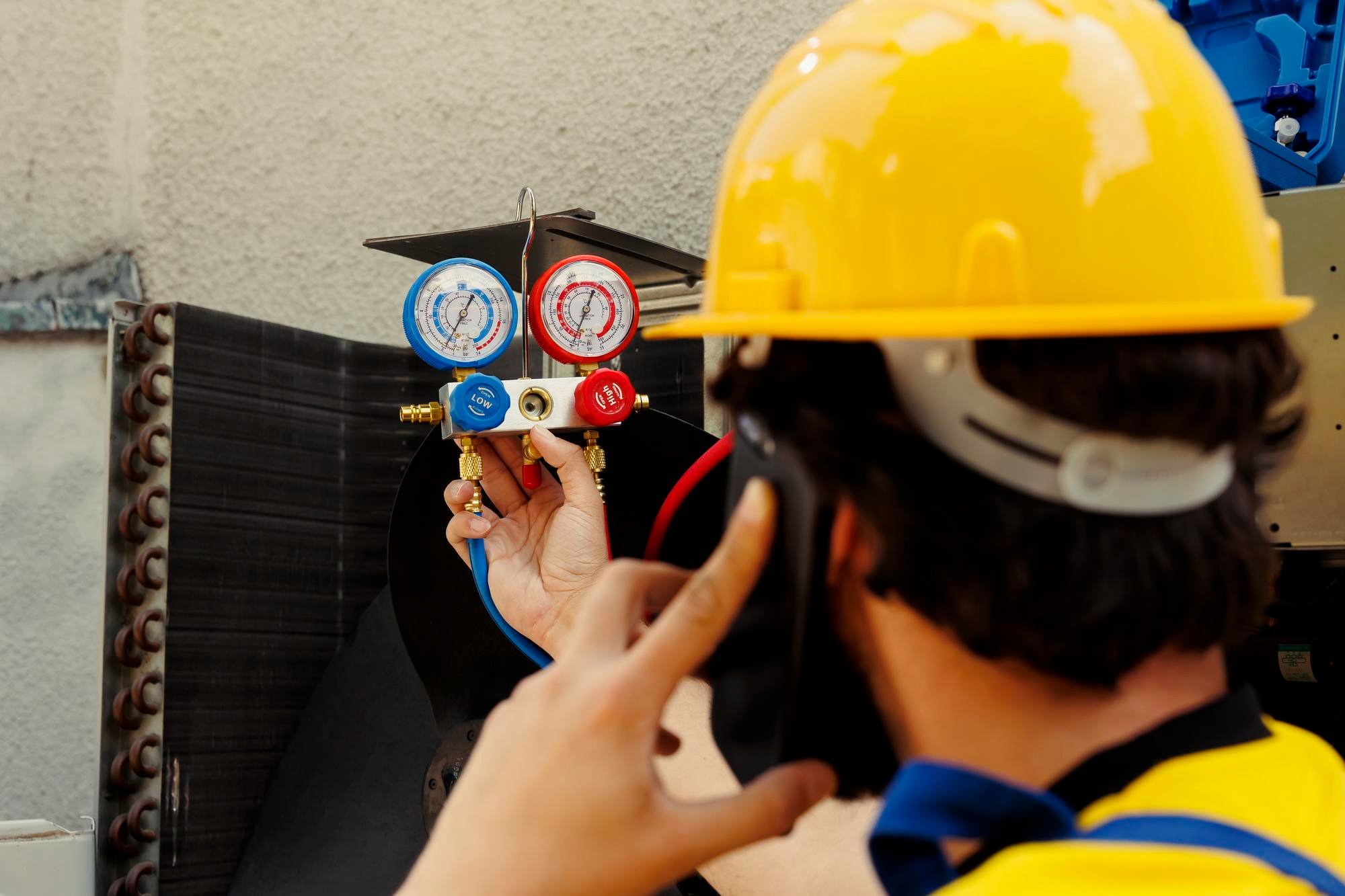
Airflow problems are one of the most common contributors to early wear. When air cannot move freely through the system, components must work harder than intended.
Restricted airflow may be caused by clogged filters, undersized ductwork, blocked returns, or duct leakage. Without measurement, these issues may go unnoticed while gradually increasing internal temperatures and mechanical strain.
Professional service should include airflow testing and static pressure verification. Balanced airflow reduces stress and supports steady operation.
Does skipping maintenance actually lead to major breakdowns?
Skipping maintenance does not always cause immediate failure, but it allows small issues to develop over time. Routine service visits help identify changes that may not yet be visible to homeowners.
During maintenance appointments, technicians typically evaluate:
- Refrigerant levels and overall system balance
- Electrical components for signs of wear
- Airflow performance and pressure readings
- Safety controls and temperature operation
These checks help catch minor concerns before they grow into expensive repairs. Regular HVAC maintenance keeps systems operating within manufacturer guidelines and reduces unnecessary strain.
Maintenance protects long-term performance rather than simply cleaning equipment.
How do small electrical issues turn into expensive failures?
Electrical components naturally wear as the system operates. These changes often develop gradually and may not immediately affect comfort.
Common electrical concerns include:
- Weak capacitors that struggle to start motors
- Worn contactors that interrupt consistent operation
- Loose wiring connections that generate excess heat
- Voltage imbalance that stresses compressors
Individually, these issues may seem minor. Over time, however, they can damage larger components if left unaddressed. Measuring amp draw and inspecting electrical connections during service helps prevent avoidable failures.
Do replacement parts really affect long-term performance?
The quality of replacement components plays an important role in overall system health. Lower-grade parts may function at first, but they often lack durability and can create imbalance within the system.
Using manufacturer-approved or equivalent quality parts helps maintain consistent performance. Proper installation also matters, since even a well-made part must be installed correctly to operate as intended.
Careful repairs protect the entire system rather than addressing only the immediate symptom.
Can thermostat setup impact how long a system lasts?
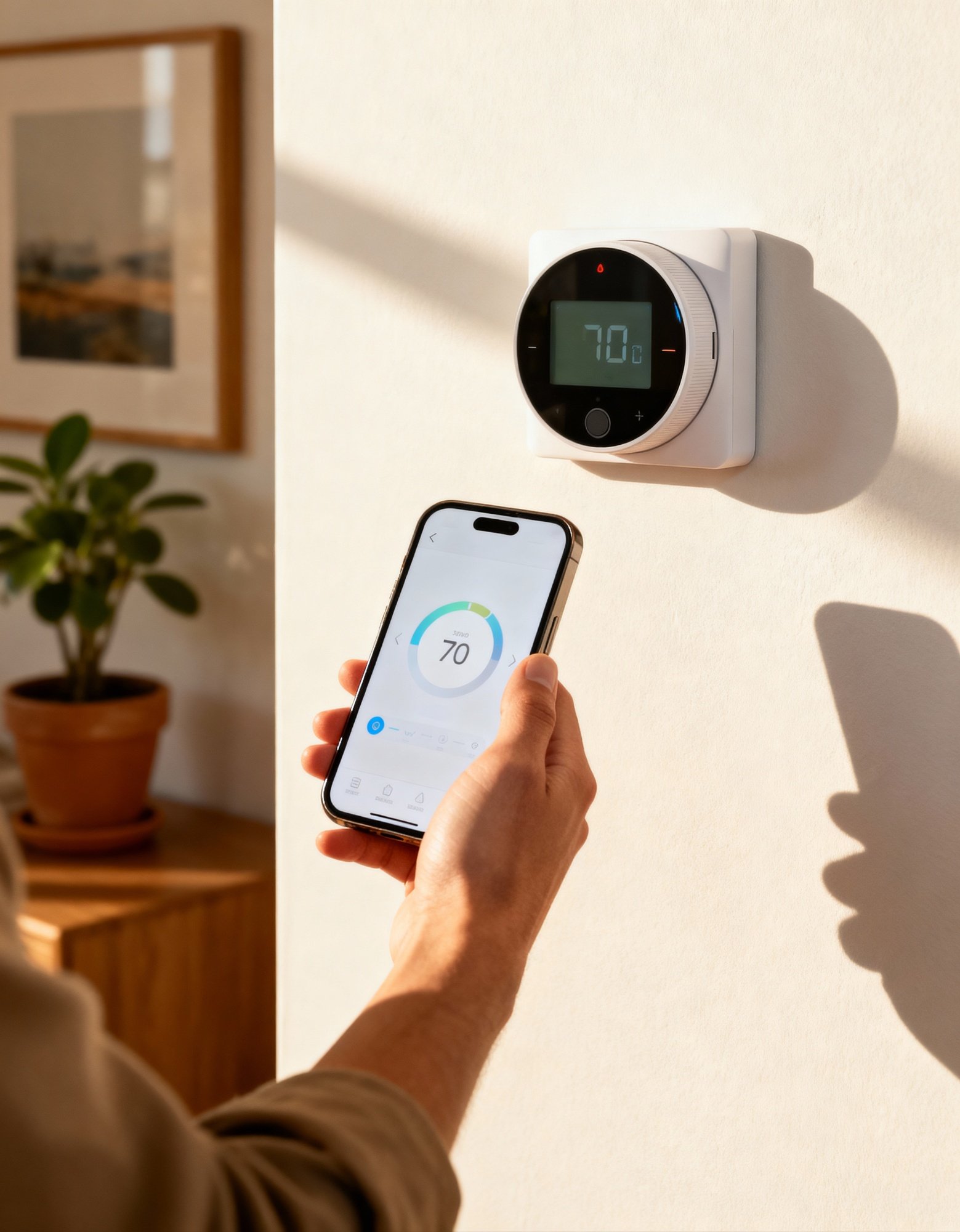
Thermostats determine how often and for how long a system operates. Large temperature swings or frequent manual adjustments can increase unnecessary cycling.
While thermostat setup does not determine lifespan on its own, operating patterns affect wear over time. Proper configuration supports steady cycles and balanced runtime, which helps reduce stress on major components.
When thermostat settings align with correct system sizing and airflow, performance remains more stable.
What role does commissioning play in system longevity?
Commissioning is the final verification process performed after installation. It confirms airflow, refrigerant levels, electrical readings, and control settings are operating within proper ranges.
Without commissioning, even new systems may begin operating slightly out of balance. Small imbalances can gradually reduce efficiency and increase mechanical strain.
When performance is measured and documented at installation, the system begins its life operating correctly, improving long-term reliability.
What is the most important takeaway about preventing early HVAC failure?
Early HVAC failure is rarely caused by bad luck. It is usually caused by skipped steps during installation or by inconsistent maintenance afterward.
Systems tend to last longer when they are:
- Properly sized using an accurate load calculation
- Installed with verified airflow and refrigerant balance
- Commissioned to confirm performance
- Maintained on a consistent schedule
The equipment itself matters, but the process behind it matters just as much. Working with an experienced HVAC contractor who measures and verifies performance helps protect your comfort investment for the long term.
Talk to a team that protects your system from day one
Your heating and cooling system should be installed and serviced with care and attention to detail. When setup and maintenance are handled properly, equipment operates more efficiently and lasts longer.
If you want a team that focuses on accurate diagnostics, proper installation, and dependable service, Elite Heating and Air is ready to help. Contact Elite Heating & Air today to schedule your consultation and ensure your system is built for long-term comfort and performance.
