
What Common Heating Issues Could Increase My Energy Bills During Winter Months?
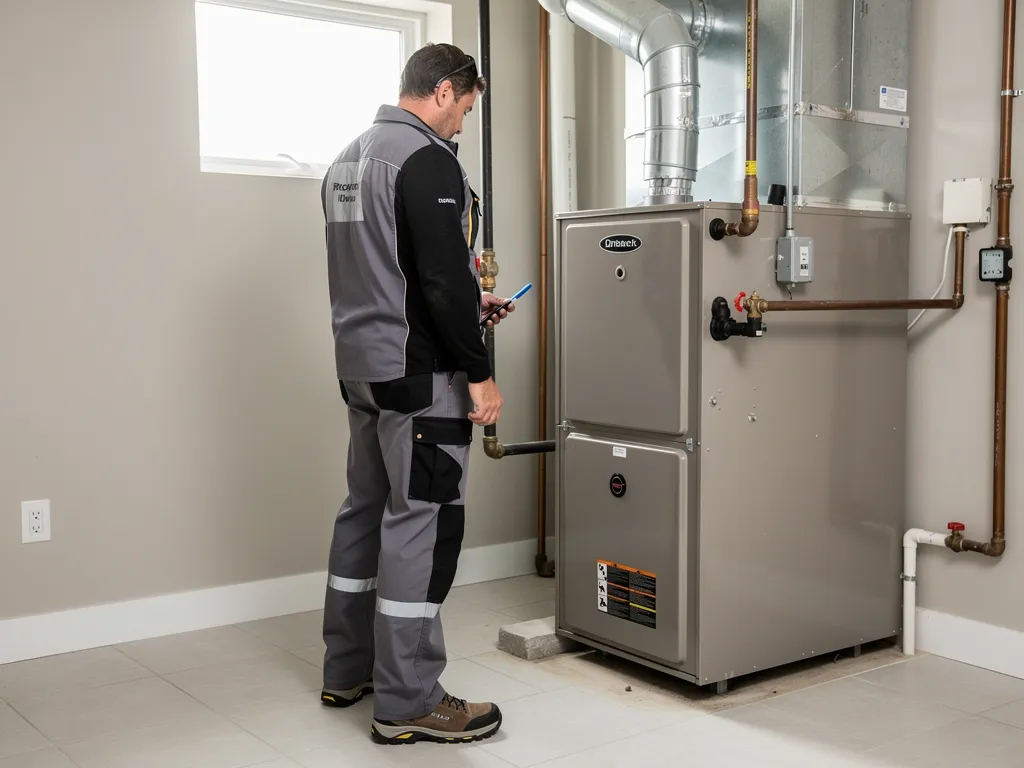
A furnace with dirty burners, clogged filters, or failing sensors will consume more energy and provide less heat. These three components directly govern how efficiently a heating system converts fuel into warmth. When any one of these parts operates outside its design specification, the unit runs longer and draws more power to deliver the same result.
How do dirty furnace burners affect energy consumption?
Dirty burners disrupt the fuel-to-air mixture inside the combustion chamber. That imbalance forces the furnace to run extra cycles to reach the thermostat setting, which drives up kilowatt-hour usage with every unnecessary minute of runtime. Elite Heating and Air Conditioning recommends annual cleaning of burner assemblies as part of routine maintenance.
What happens when airflow becomes restricted in a heating system?
Clogged air filters and debris buildup on the blower motor both create airflow resistance. The system responds by working harder to push heated air through the ducts, which increases electrical draw and reduces the amount of heat delivered to each room. Gas furnace performance can decline when airflow becomes restricted, components wear out, or maintenance is neglected.
Why do leaking ducts and a struggling blower motor increase bills?
Ductwork that leaks air allows heated air to escape into attics or crawl spaces before reaching living areas. A blower motor struggling with debris buildup cannot maintain proper air speed. The combination creates a scenario where the homeowner pays for heat that never reaches the intended space. Elite Heating and Air Conditioning offers HVAC repair and maintenance services backed with a 1‑year guarantee for their work, helping owners catch these issues before they appear on the monthly statement.
| Heating Issue | Effect on Energy Use | Common Cause |
|---|---|---|
| Dirty burners | More run cycles, longer per cycle | Soot and debris buildup |
| Clogged filters | Reduced airflow, increased amp draw | Seasonal dust and pet hair |
| Leaking ductwork | Heated air lost before delivery | Separated joints or punctures |
| Failing sensors | Incorrect temperature readings | Wear or calibration drift |
How Does a Dirty Filter Drive Up Your Heating Costs?
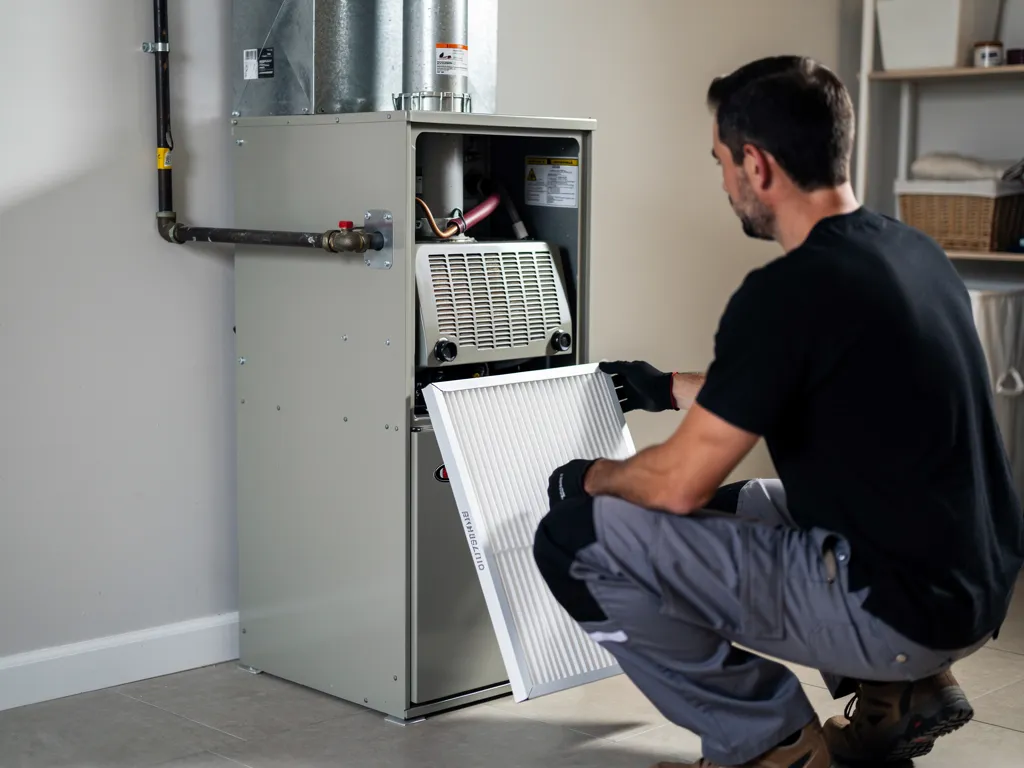
A furnace with dirty burners, clogged filters, or failing sensors can each consume more energy and provide less heat. This combination forces the heating system to run longer cycles to reach the thermostat setting. Homeowners in Elk Grove and Sacramento see the result as higher monthly utility bills during winter.
How Does a Restricted Airflow Affect Furnace Performance?
A clogged filter blocks the airflow that a furnace needs to operate efficiently. The system must work harder to pull air through the blockage, which increases energy consumption. Elite Heating and Air Conditioning, a locally owned company serving the Sacramento area with over 26 years of experience, recommends checking filters monthly during heating season. Restricted airflow also causes the heat exchanger to overheat, which can trigger a safety shutdown and leave a home cold.
What Other Components Suffer from a Dirty Filter?
Dirty burners and failing sensors compound the problem started by a clogged filter. The table below shows how each component failure drives up costs.
| Component Issue | Effect on System | Result for Homeowner |
|---|---|---|
| Clogged air filter | Reduced airflow, longer run times | Higher energy bills |
| Dirty burners | Incomplete combustion, wasted fuel | More gas usage per cycle |
| Failing sensors | Inaccurate temperature readings | System short-cycles or runs too long |
Elite Heating and Air Conditioning offers HVAC maintenance services that address these issues. Regular maintenance prevents the small problems that silently drain a household budget. A clean filter alone can reduce heating costs by allowing the furnace to operate at its designed efficiency.
Why Is Ductwork Leaking Air a Hidden Money Drain?
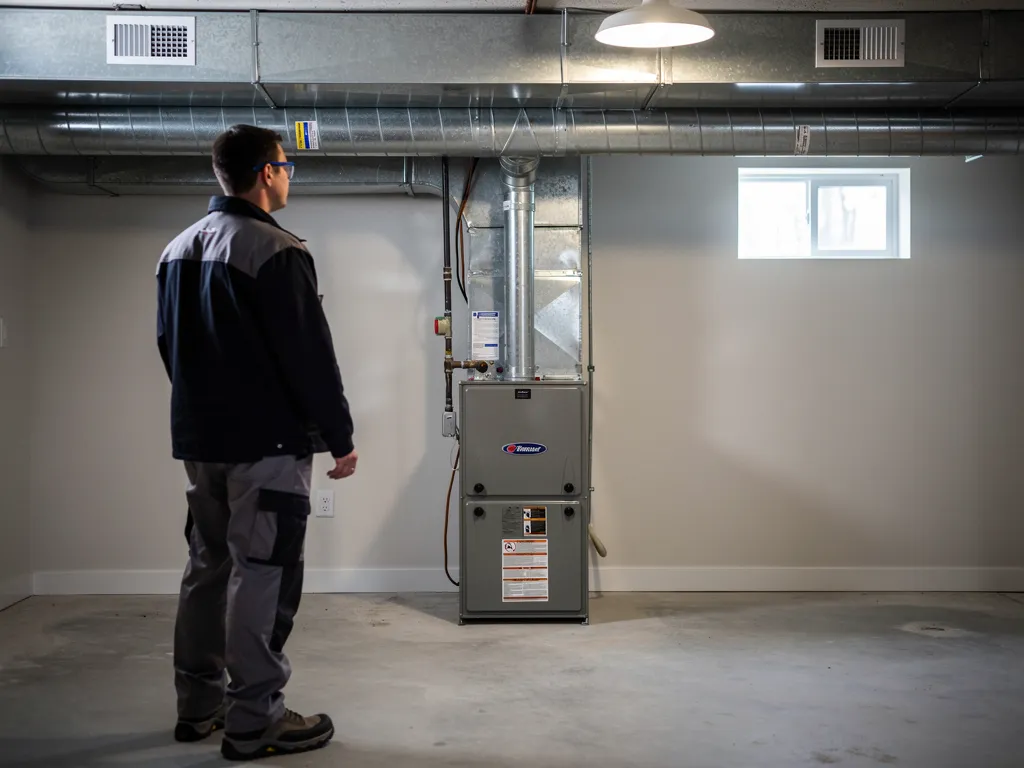
Leaking ductwork forces a heating system to run longer and harder, directly increasing winter energy bills. A blower motor struggling against debris buildup compounds the problem by reducing airflow throughout the home. These two issues together create a hidden drain that many homeowners overlook until the monthly statement arrives.
How Leaks Force the System to Overwork
Heated air escapes through gaps, loose connections, or damaged sections before it reaches living spaces. The furnace must cycle more frequently to compensate for the lost warmth. This extra runtime consumes more fuel or electricity with every cycle.
What Happens When the Blower Motor Struggles
A blower motor clogged with dust or debris cannot move air efficiently through the ductwork. The motor draws more power trying to overcome the resistance. Homeowners may notice weak airflow from vents or unusual noises from the furnace cabinet.
How to Identify and Fix Leaking Ductwork
- Inspect visible duct sections in the attic, basement, or crawlspace for gaps at joints and connections.
- Seal all accessible leaks with mastic sealant or metal-backed tape designed for HVAC use. Standard duct tape fails under temperature changes.
- Check the blower motor and fan for visible debris buildup. A technician can clean the assembly and restore proper airflow.
- Schedule a professional duct inspection every 2-3 years. Elite Heating and Air Conditioning offers ductwork evaluation as part of its HVAC maintenance services.
What Is the Most Common Sign of Leaky Ducts?
Uneven room temperatures throughout the house signal duct leakage. One room feels warm while another stays cold, even with the thermostat set to a single temperature. This imbalance forces the system to run longer to satisfy the thermostat.
Can a Homeowner Seal Ducts Without Professional Help?
Yes, for accessible sections in unconditioned spaces like attics. Homeowners can apply mastic sealant to visible gaps and use foil-backed tape on rigid metal ducts. Flexible duct connections and hidden sections inside walls require professional assessment to avoid causing further damage.
Elite Heating and Air Conditioning brings over 26 years of experience to ductwork repairs and blower motor service. The company backs all work with a 1-year guarantee, reflecting its commitment to honesty, integrity, and excellence. Addressing leaky ductwork and a struggling blower motor stops the hidden money drain before it compounds across an entire winter season.
What Steps Can You Take to Stop Energy Waste Today?
Homeowners can stop energy waste immediately by sealing air leaks and scheduling a professional system evaluation. These two actions address the most common sources of winter energy loss without requiring major investment.
How Does Weatherstripping Reduce Energy Waste?
Weatherstripping doors and windows creates a tight seal that prevents heated air from escaping. Gaps around frames allow warm indoor air to leak out continuously, forcing the heating system to run longer cycles. Applying weatherstripping is a low-cost, do-it-yourself fix that pays for itself through lower monthly bills. Homeowners should inspect all exterior doors and operable windows each winter.
What Professional Help Stops Energy Loss?
Elite Heating and Air Conditioning offers a free in-home consultation to identify hidden energy waste. A trained technician inspects the entire heating system, ductwork, and insulation for problems invisible to the homeowner. This assessment pinpoints exactly where energy escapes and what repairs will stop the waste.
The company provides a higher level of service at less cost, backed by a spotless workmanship guarantee. Clients receive a detailed plan for stopping energy loss without paying for unnecessary upgrades. The consultation removes guesswork and delivers a targeted solution for each home.
Steps to stop energy waste today:
- Apply weatherstripping to all exterior doors and operable windows.
- Schedule a free in-home consultation with a qualified HVAC provider.
- Seal ductwork leaks that bleed heated air into unoccupied spaces.
- Replace clogged air filters that force the furnace to work harder.
- Set the programmable thermostat to lower temperatures during sleep hours.
Taking these steps immediately reduces strain on the heating system and prevents the silent energy drain that drives up winter utility bills.
FAQ
What common heating issues could increase my energy bills during winter?
These components govern efficiency, and when any one operates poorly, the unit runs longer and draws more power for the same results.
Dirty burners disrupt the fuel-to-air mixture in the combustion chamber, forcing the furnace into extra cycles to reach the thermostat setting. This drives up kilowatt-hour usage with every unnecessary minute of runtime.
How does a clogged filter drive up heating costs?
A clogged filter blocks airflow, forcing the furnace to work harder and consume more energy while delivering less heat. It can also overheat the heat exchanger, triggering a safety shutdown and leaving the home cold.
Conclusion
In closing, addressing heating inefficiencies before winter deepens transforms your home’s comfort and your monthly budget. Clogged filters, leaking ductwork, and struggling blower motors drain energy silently, until the bill arrives. Elite Heating and Air Conditioning brings over 26 years of expertise to identify and repair these hidden money drains, backed by a 1-year guarantee on all work. A single professional evaluation stops the waste and restores your system to peak efficiency, delivering the peace of mind that comes with honest service and exceptional workmanship.
