
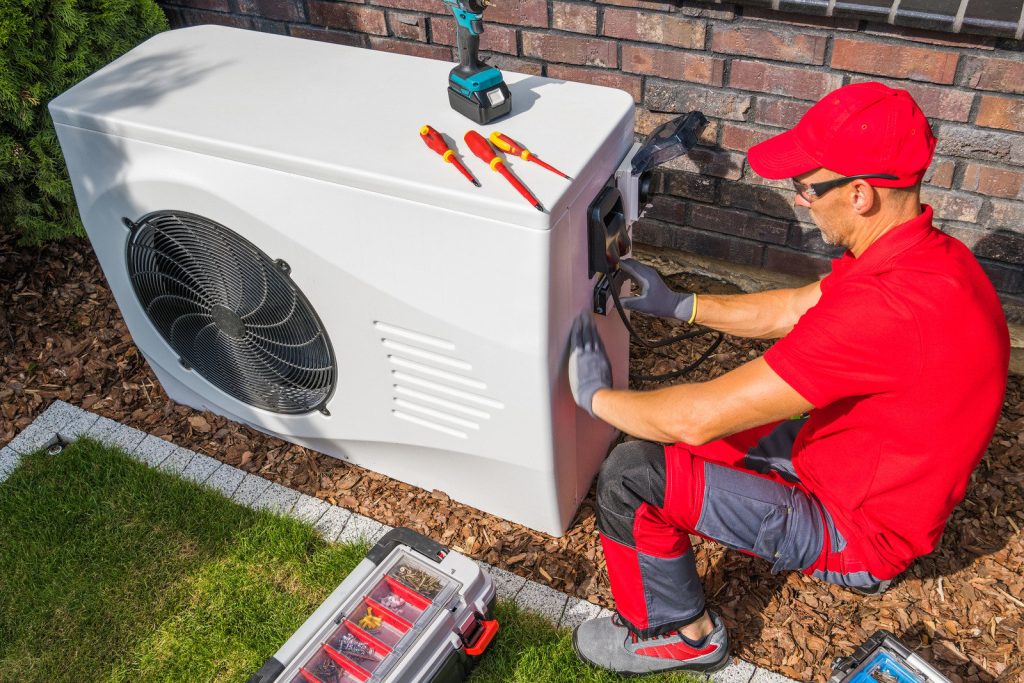
Quick answer up front: If you need an HVAC contractor, confirm three fundamentals before you sign anything: make sure the company holds an active license and full insurance, read several recent customer reviews, and insist on a written estimate that lists the scope of work plus any warranties. Those three checkpoints filter out most of the headaches homeowners experience later.
Why the right HVAC contractor really matters
Your heating and cooling equipment is the single largest energy user inside most homes, responsible for roughly half of the average utility bill. One loose electrical connection, one undersized return vent, or one sloppy refrigerant charge can add hundreds of dollars in wasted energy each year. Worse, poor workmanship can shorten equipment life or even create safety hazards such as carbon-monoxide leaks or electrical shorts. A capable contractor does more than “get the air cold.” Instead they:
• Match equipment capacity to the actual heat load of your home, preventing short cycling and premature wear
• Follow manufacturer installation specs, preserving factory warranties
• Fine-tune airflow to deliver even temperatures in every room
• Verify that gas, electrical and refrigerant connections meet code
• Offer maintenance plans that keep the system running for a decade or more
In other words, the right hire protects both your comfort and your long-term finances.
How to confirm a contractor’s credentials without wasting a day
Checking licensing and insurance sounds tedious, yet it only takes a few minutes online:
- License lookup
Most state or municipal licensing boards provide a public search page. Enter the business name and confirm that the license is current, assigned to the correct trade (heating, air-conditioning and refrigeration) and shows no outstanding violations. - Proof of insurance
Ask the office staff to email a certificate of insurance showing general liability and workers’ compensation coverage. Reputable firms do this all the time and it does not slow down the process. - Professional certifications
Look for additional credentials such as NATE (North American Technician Excellence) or ACCA QA accreditation. These aren’t required by law, but they show the technicians have passed voluntary exams and follow industry best practices.
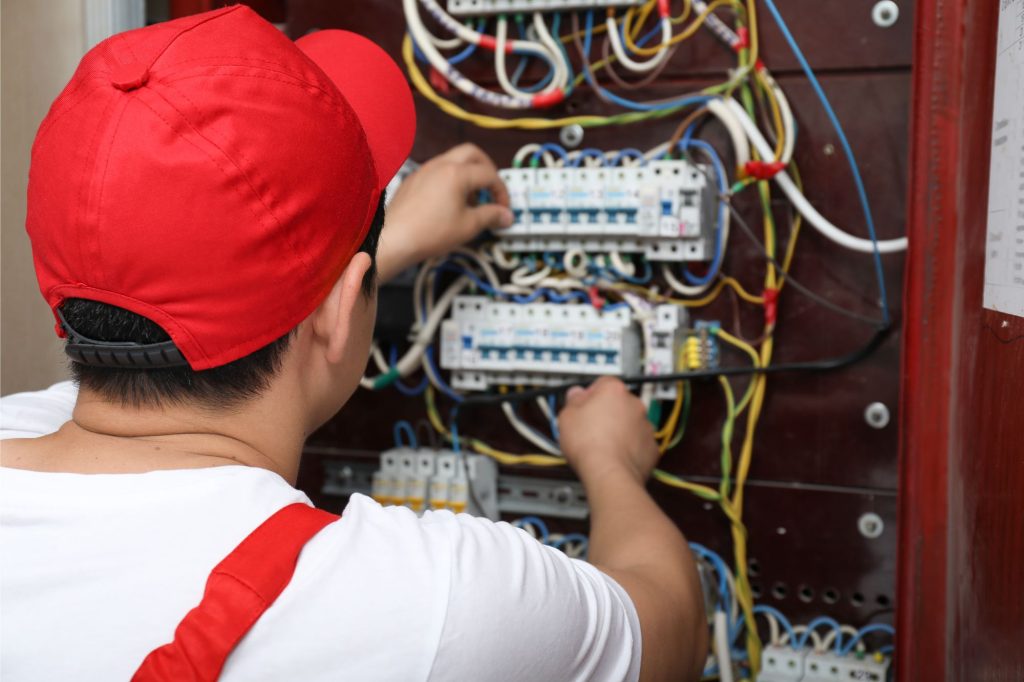
Red flags you should never ignore
Even if a company appears legitimate on paper, watch for warning signs during the first phone call or site visit:
• An estimate given only verbally or scribbled on the back of a business card
• A request for a large cash deposit before any materials arrive
• An unwillingness to pull permits “because it takes too long”
• A van with no company markings or the technician without an ID badge
• High-pressure tactics that push expensive equipment before diagnosing the old system
Any one of these signals a potential problem. If you see two or more, thank them for their time and keep shopping.
Do reviews and word-of-mouth still matter in the digital age?
Yes — perhaps more than ever. A slick website can be built in an afternoon, but genuine customer feedback takes years to earn. Scan multiple platforms — Google, Yelp, Angi, Better Business Bureau — and look for consistent themes. Words like “on time,” “explained everything,” and “cleaned up” appear repeatedly in reviews for trustworthy firms.
Also pay attention to how a company responds to negative feedback: do they accept responsibility and offer solutions, or do they argue and blame the homeowner? The response often tells you more than the original complaint.
What belongs in a professional HVAC estimate?
A proper proposal is detailed enough that any qualified contractor could complete the job from the description alone. Expect to see:
• Exact equipment model numbers and efficiency ratings
• A breakdown of labor tasks such as duct modifications or thermostat upgrades
• Any local or manufacturer rebates that reduce the cost
• Permit fees, if required
• A start date, completion date and clean-up expectations
• Manufacturer PARTS warranty and LABOR warranty in plain language
• Total investment with tax, plus financing terms if offered
When every bidder uses this level of detail, you can compare apples to apples and make a clear decision.
Do U.S.-made parts and materials make a difference?
In many cases, yes. Components manufactured domestically are subject to stricter quality-control processes and often arrive faster when warranty replacement is needed. Your system may include parts sourced worldwide, but a contractor who chooses American-made motors, contactors or sheet-metal fittings whenever practical is investing in reliability as well as local jobs.
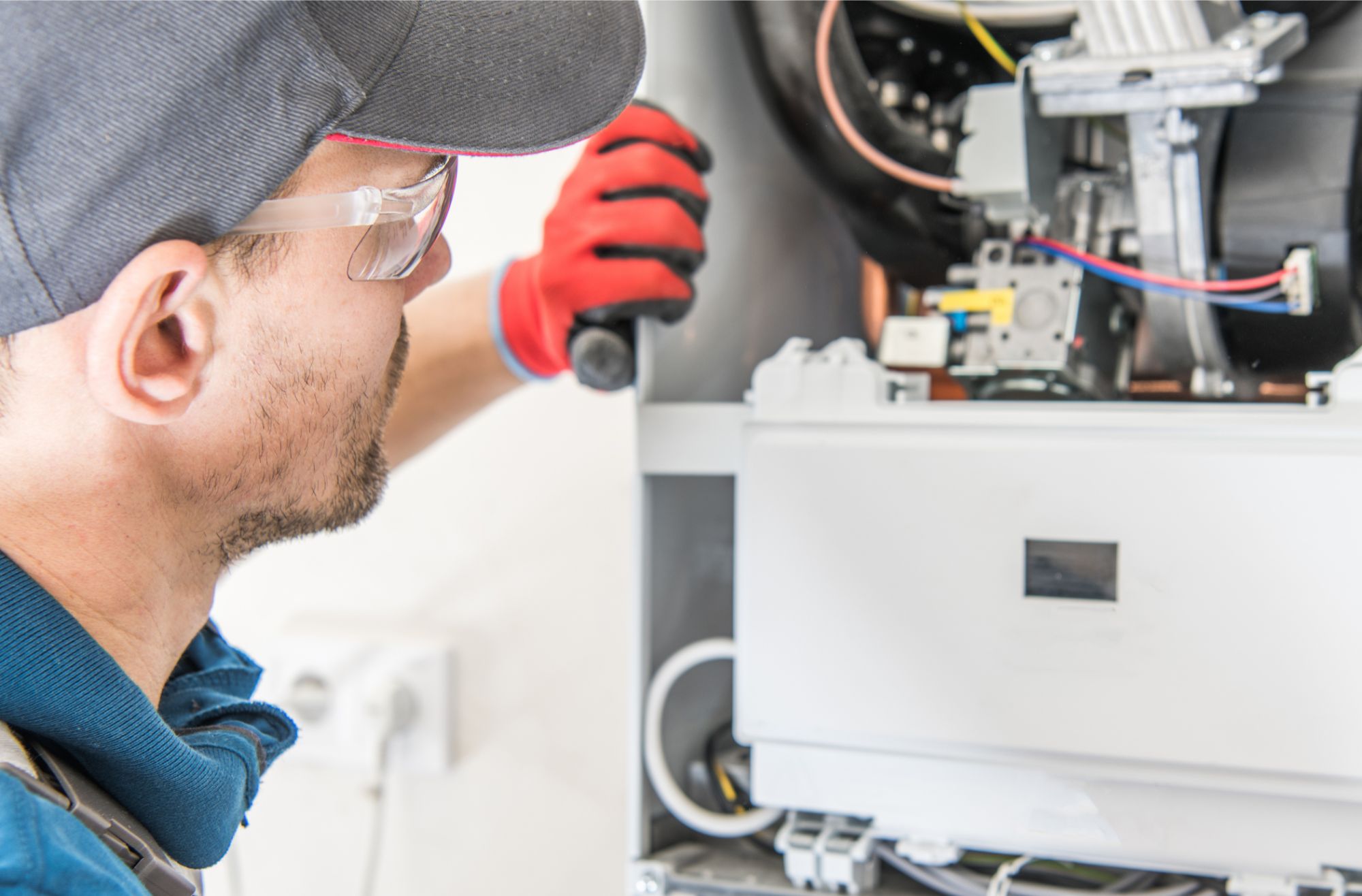
Should you sign up for a preventive maintenance plan?
Think of it like a dental cleaning for your HVAC system. Twice-yearly tune-ups allow a technician to:
• Measure refrigerant charge and adjust before compressor damage occurs
• Clean outdoor coils, improving heat transfer and lowering energy use
• Lubricate motors and tighten electrical terminals, stopping arc damage
• Document service history — crucial if you ever need warranty assistance
Most plans cost about the price of one emergency service call, yet they keep the equipment running and often include priority scheduling plus repair discounts.
How quickly should an HVAC team arrive in an emergency?
Quality companies commit to narrow arrival windows (often two hours) and keep evening, weekend and holiday technicians on call. Crews arrive in fully stocked vehicles, meaning 80–90% of repairs are completed in a single trip.
Why is honesty still the contractor’s most valuable tool?
A trustworthy technician shows you failed parts instead of pitching replacements you don’t need. They explain good-better-best repair options without criticizing other brands. They respect your budget, even if that means tightening a loose wire and walking away from a bigger sale. Integrity builds lifelong customers, and companies that value long relationships tend to stay in business far longer than those chasing quick profit.
Common HVAC Scams and Simple Ways to Dodge Them
Even diligent homeowners can get caught off-guard when slick sales tactics slip through the cracks. Watch for these three classic traps:
- “Free” tune-ups that morph into expensive parts lists: A legitimate inspection should come with clear findings and options, not a hard-sell script. If every component is suddenly “urgent,” ask for photos or meter readings that prove the diagnosis.
- Pressure to replace a system that still has years left: Age alone doesn’t doom an HVAC unit. Efficiency, repair frequency, and safety history tell the real story. Get a second opinion before authorizing a major replacement.
- Refusal to pull permits: Skipping municipal oversight can save a contractor time, but it leaves you with liability. Insist on proper permits and keep copies for your records.
By recognizing these red flags early, you can stay protected.

Questions to Ask Before You Hire an HVAC Contractor
A quick phone call can reveal a lot about a company’s professionalism. Have these questions ready:
- “May I see proof of your current license and insurance?” The answer should be an immediate “Yes,” followed by emailed documentation.
- “What brands do you service most often?” Trusted firms can explain the pros, cons, and warranty nuances of several major manufacturers.
- “How do you calculate load sizing for new equipment?” Look for talk of Manual J calculations or similar industry methods, not just a glance at square footage.
- “Will I receive a written estimate with parts and labor broken out?” Transparency here signals honest pricing later.
- “What training do your technicians complete each year?” Ongoing education proves the team keeps pace with evolving technology and best practices.
Contractors who answer confidently and in writing earn trust.
Ready to experience five-star comfort?
If you’re scrolling through pages of “HVAC contractor near me,” pause and focus on the team that backs every repair with a full-year guarantee, arrives within a two-hour window, and installs American-made parts whenever possible. Elite Heating & Air is standing by. Call now to book your free in-home consultation and discover why Elite Heating & Air will be the last HVAC company you’ll ever need.
